Pricing a one-of-a-kind home in Winston-Salem is not the same as pricing a typical house. When your property has historic pedigree, custom craftsmanship, or rare acreage, broad averages do not tell the story. You need a plan that respects the local market’s top tier, documents your home’s distinctive value, and meets serious buyers where they are. This guide walks you through how to define luxury locally, build a defensible price, and launch with confidence. Let’s dive in.
What counts as luxury in Winston-Salem
Luxury is best defined by the market’s upper percentiles, not a single number. Industry practice sets entry-level luxury around the 90th percentile, high-end near the 95th, and ultra-luxury at the 99th. Nationally, Realtor.com placed the 90th percentile near $1.22 million in October 2025. Local thresholds should be calculated from Triad MLS data so you are pricing inside the right buyer pool for Winston-Salem, not a national average.
Market snapshot for context
- As of January 2026, Redfin reported a citywide median sale price of $287,250 for Winston-Salem. Source: Redfin.
- County-level medians vary by source and date. Use the Triad MLS for the most current and precise figures and note the effective date in your materials.
The takeaway: citywide medians are helpful context, but they do not set value for estates. Your home should be priced against true peers in your micro-market.
Know your micro-market
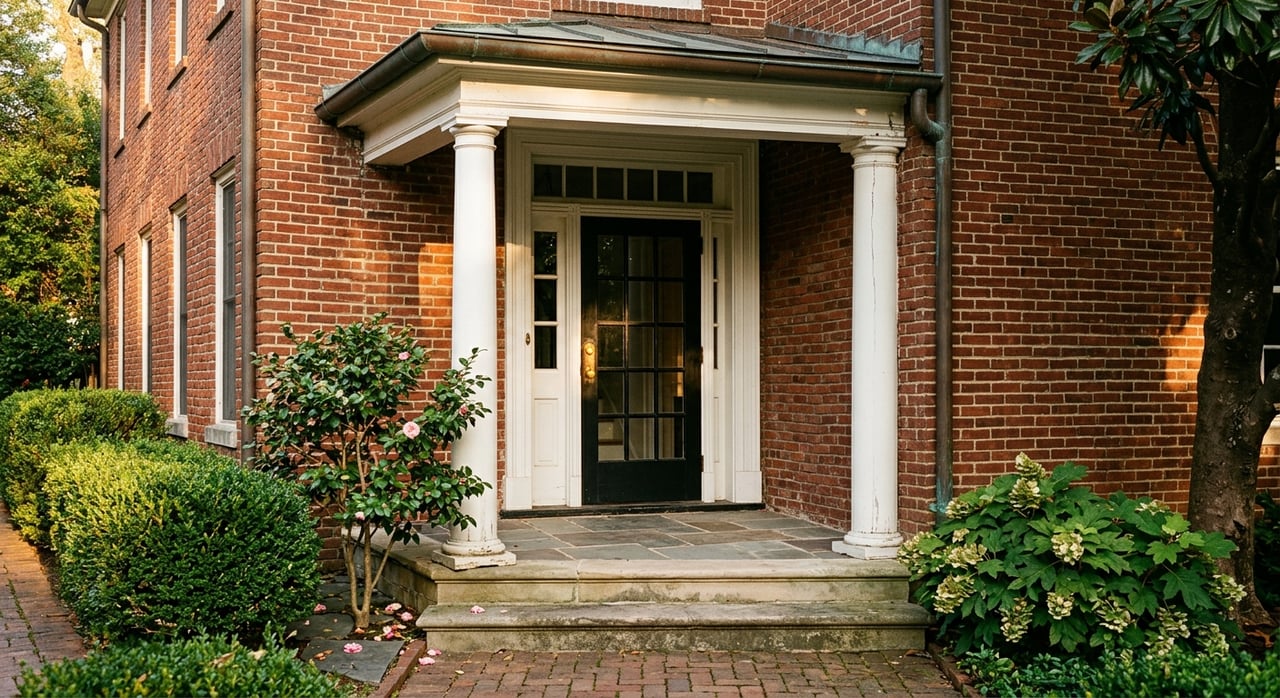
Winston-Salem’s top-tier homes are concentrated in historic neighborhoods and large-lot enclaves where architectural pedigree, mature trees, and proximity to cultural anchors add value. Areas around Reynolda, West End, and Buena Vista often command premium pricing, as do select sections near master planned communities like Brookberry Farm. For narrative context, proximity to destinations like Reynolda House and Gardens and the broader village environment supports demand for character-rich homes. Explore the area’s appeal through the lens of places like Reynolda Village.
Economic drivers matter, too. The life-sciences cluster and Innovation Quarter, anchored by Wake Forest’s regenerative medicine initiatives, help attract executives, physicians, and entrepreneurs who shop the higher end of the market. Learn more about the ecosystem at Innovation Quarter’s SPARQ Labs.
How to value a luxury home
A luxury valuation goes beyond a basic CMA. Your goal is a credible, well-documented price that stands up to buyer scrutiny and lender appraisal.
Sales comparison approach
Start with the most similar closed sales and adjust for the differences that the market rewards: square footage, lot size and setting, architecture and age, renovation level, systems, outdoor amenities, and views or privacy. For unique homes, your comparable set may extend beyond your immediate neighborhood to similar-class properties across Forsyth County. Appraisers and brokers rely on market evidence and transparent adjustments; credibility is key. Fannie Mae’s guidance emphasizes clear support for improvements and adjustments in unique homes. See Fannie Mae’s section on reporting improvements in appraisals: Fannie Mae guidance on improvements.
Cost approach as a check
For custom estates or very new construction, the cost approach can corroborate your price: land value plus replacement cost minus depreciation. It is most useful as a reasonableness check when comparable sales are limited. Review Fannie Mae’s overview of the cost and income approaches here: Cost and income approaches overview.
Income approach in special cases
If part of the property produces income, such as a rentable guest unit or small farm lease, the income approach may provide another reference point. For most one-off estates, it serves as a secondary check rather than the primary indicator. See the same Fannie Mae guidance above for when the income approach applies.
Document the intangibles
High-end buyers pay for story and substance. If your home features name-architect pedigree, custom millwork, rare stone, high-end appliance packages, curated landscape design, or notable privacy, gather the proof. Invoices, warranties, plans, permits, and professional photos help appraisers and buyers trace value to market reaction. Pair these with comparable sales that show similar features where possible.
Lessons from recent top-tier sales
Closed sales demonstrate what the market will bear. One notable recent example is the reported multi-million closing of the Hanes and Chatham historic estate in Winston-Salem, cited at about $2.4 million in local business reporting as of June 1, 2025. See the coverage from the Triad Business Journal: Local top home sales report.
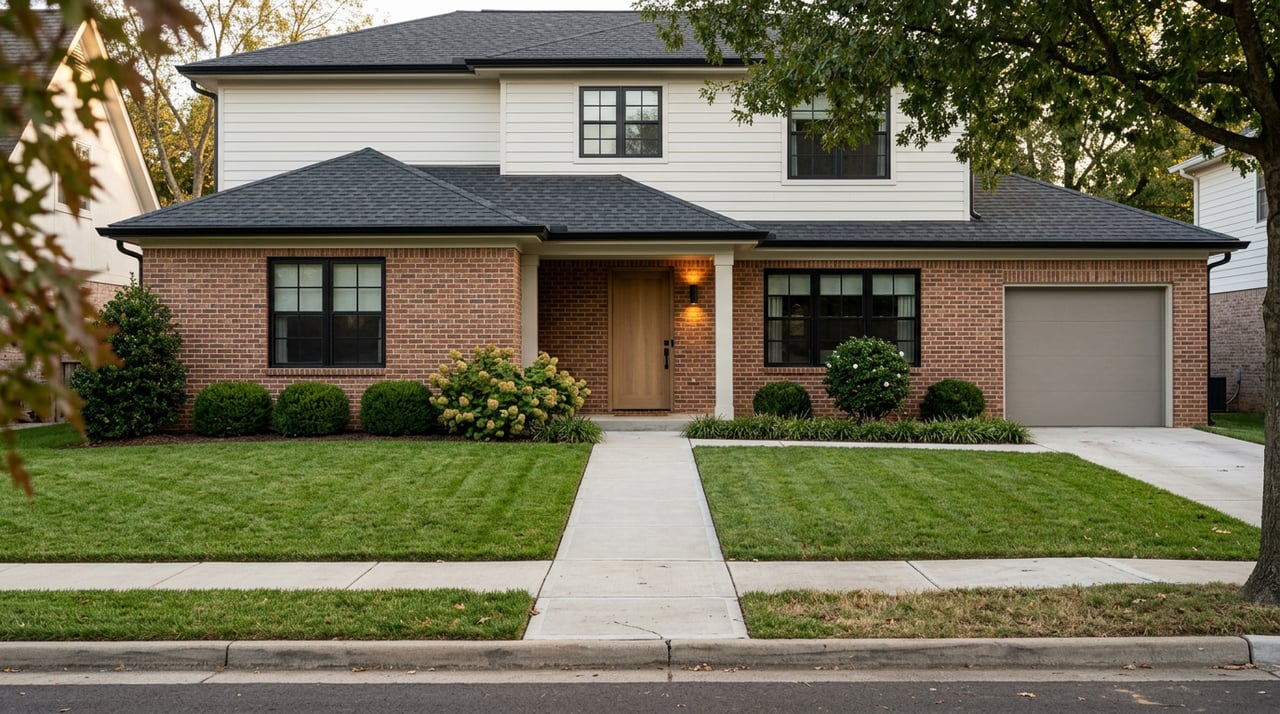
We also see momentum within master planned communities. Recent closings in Brookberry Farm have exceeded $1 million, which helps define the upper tier for newer construction in the area. When evaluating your own property, look beyond price tags to the drivers behind those results: lot position, plan quality, finish caliber, outdoor living, and the strength of launch presentation.
Pricing strategy that protects your upside
Pricing high-end homes is a balance. Price too high and you risk a long runway and stale perception. Price too low and you compress your outcome. Use this framework:
- Define your price band. Combine the local 90th and 95th percentile thresholds from the MLS with your best comparable sales and a replacement cost check. Note the effective date for any statistic you cite in your materials.
- Position the launch price. The first week typically sets your momentum. A price that is clearly supported by the comps invites serious showings and protects your negotiating strength.
- Plan your showing strategy. For privacy-forward or high-value estates, require pre-qualification or proof of funds before private showings. This keeps the process efficient and maintains leverage.
- Set decision points. Establish a timeline and criteria for responding to feedback or adjusting if you miss your target buyer pool. Small, evidence-based adjustments are better than waiting while days on market climb.
Pre-list preparation that raises value
Serious buyers and their appraisers want clarity. Packaging your home like an investment-grade asset reduces uncertainty and supports a premium.
- Pre-list inspection and valuation. Consider a professional condition inspection plus a pre-list appraisal or broker’s opinion of value. These help you anticipate objections and calibrate price. Fannie Mae instructs appraisers to address unique improvements and to support adjustments with market evidence. See Fannie Mae guidance on improvements.
- Complete documentation. Assemble floor plans with ANSI-compliant square footage, a recent survey, permits and certificates for renovations, system and appliance invoices and warranties, energy or automation details, landscaping and irrigation records, and any well or septic reports if applicable.
- Historic details and easements. If the home is designated historic or has preservation easements, include all paperwork early. There may also be state or federal rehabilitation credits for qualifying projects. For broader policy context in Winston-Salem, review insights on preservation and redevelopment from Brookings.
- Taxes and assessments. Forsyth County revaluations affect assessed values and owner conversations. Remember that assessed value is not market value. Learn about the process at the county’s page: Forsyth County Revaluation.
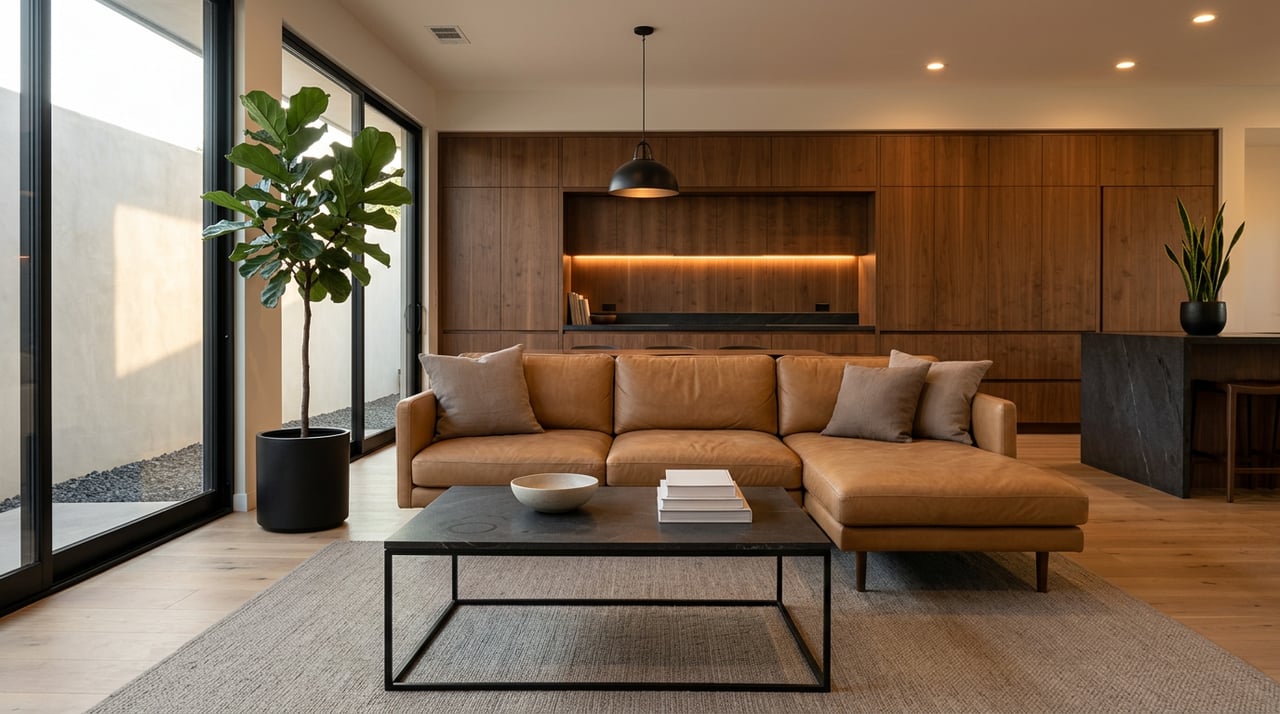
- Premium presentation. For luxury, the baseline is professional staging, magazine-level photography, drone aerials, cinematic video, and 3D tours. These tools broaden reach to out-of-area and international buyers and protect your price premium. For an overview of proven luxury marketing tactics, review this guide from Homes & Land: Luxury marketing playbook.
Financing and appraisal reality checks
Conforming versus jumbo matters
The Federal Housing Finance Agency set the 2026 baseline conforming loan limit at $832,750 for one-unit properties. Buyers above the local conforming limit often move into jumbo financing, which can require stronger credit, higher reserves, and different appraisal and underwriting dynamics. If you plan to list near the mid-six to low-seven figures, confirm Forsyth County’s current limit and consider how pricing just below or above it may affect your buyer pool. Read the FHFA announcement here: 2026 conforming loan limit values.
Prepare for appraisal gaps
Unique architecture, large acreage, and historic designation can make direct comps scarce. Appraisers may need to extend search windows, use more distant or older sales, and make larger adjustments. They will expect thorough documentation and a reasoned reconciliation across approaches. Fannie Mae guidance supports credible appraisals for unique homes when market acceptance is demonstrated and adjustments are well supported. See Fannie Mae’s overview of valuation approaches.
Your next step
If you are considering selling a high-end or one-of-a-kind property in Winston-Salem, the right strategy blends local expertise, premium presentation, and curated exposure. As a Winston-Salem native with a luxury-standard marketing platform and the reach of Mitchell | Forbes Global Properties, I help you price with precision and launch with confidence. Ready to define your number and timeline? Schedule a private strategy session with Zach Dawson.
FAQs
How should I define “luxury” for pricing my Winston-Salem home?
- Use the local MLS to calculate the 90th and 95th percentile sale prices, then price against true comparable estates in your micro-market rather than citywide medians.
What comps should I use for a historic or custom estate in Forsyth County?
- Start with the most similar closed sales by architecture, lot, and finish quality, expand geography and timeline as needed, and document market-supported adjustments with plans, permits, and invoices.
Does a pre-list appraisal help with unique properties?
- Yes, paired with a broker opinion and a complete document packet, a pre-list appraisal can reduce surprises, strengthen buyer confidence, and support the lender’s appraisal later.
How do conforming loan limits affect my luxury listing price?
- Pricing near the local conforming limit can change the buyer pool because jumbo loans often have stricter requirements; confirm the current Forsyth County limit before finalizing your price.
How should I handle historic designation when I set price?
- Disclose designation and any easements early, gather tax credit or renovation documentation, and use comps that show market acceptance of similar restrictions and historic character.