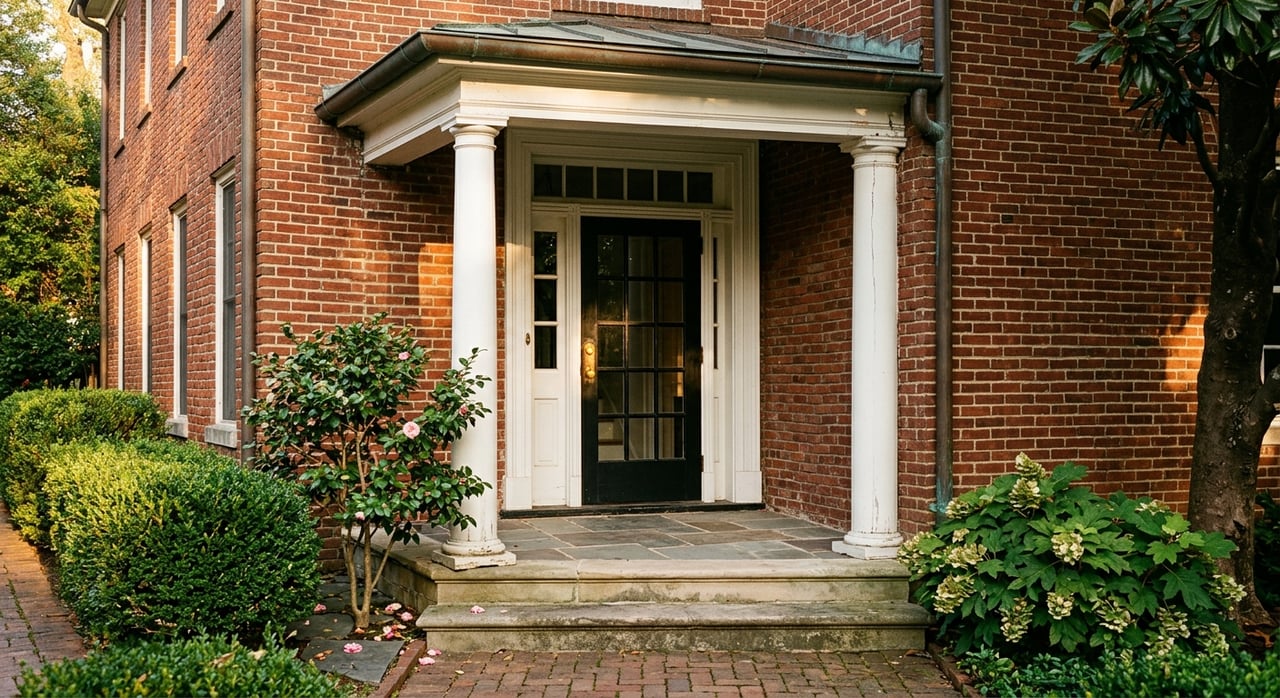
If you picture a “historic home” in Winston-Salem as one single type of property, you could miss what makes this market so interesting. Here, historic can mean an early Moravian structure, a Craftsman bungalow in a streetcar-era neighborhood, or a larger revival-style estate with a very different price point and ownership experience. If you are buying or selling one of these homes, understanding the styles, stories, and rules behind them can help you make smarter decisions. Let’s dive in.
What makes a home historic here?
In Winston-Salem, historic homes span several eras of development, and they do not all function the same way in the market. Some are tied to Moravian settlement history, while others come from early 20th-century neighborhood growth or later prestige development.
Just as important, the city distinguishes between local historic districts and National Register districts. According to the City of Winston-Salem historic district FAQ, local historic districts regulate exterior changes, while National Register listing alone does not create the same restriction for a private owner using private funds.
That difference matters if you are comparing properties with similar age and character. Two homes may both be called historic, but one may require exterior review for changes while the other may not.
Historic areas buyers should know
Old Salem
Old Salem holds a special place in Winston-Salem’s preservation story. It was established in 1948 as North Carolina’s first locally zoned historic district, and its design standards reflect a long architectural timeline.
You will see building traditions tied to early Moravian and German forms, along with later Federal, Italianate, Second Empire, Queen Anne, Colonial Revival, and Moravian Revival influences. For buyers and sellers, that means Old Salem is not just old. It is layered, highly specific, and closely tied to the city’s identity.
Bethabara
Bethabara was designated a local historic district in 1966 and is closely linked to the first Moravian settlement in the area. Today, it includes restored buildings, archaeological resources, and a museum and park landscape, along with later residential additions.
Its historic character is different from a typical neighborhood setting. If you are drawn to properties with deep local roots, Bethabara shows how preservation in Winston-Salem can extend beyond a single house and into a broader cultural landscape.
West End
West End became the city’s first historic overlay district in 1993, but its story starts much earlier. The city describes it as a planned 1890 streetcar suburb and one of the most intact examples of that type in North Carolina.
This is one of the clearest places to see Winston-Salem’s early 20th-century residential variety. It is also one of the most recognizable historic-home markets in the city for buyers who want architectural detail, established streetscapes, and close-in location appeal.
Ardmore, West Salem, Washington Park, and Buena Vista
Winston-Salem’s broader National Register inventory includes neighborhoods that many buyers already know by name. That includes Ardmore, West Salem, Washington Park, Reynolda, Downtown North, Downtown Winston-Salem, Holly Avenue, North Cherry Street, and Waughtown-Belview.
Ardmore is described by the city as an older established neighborhood that grew in the 1920s, with a development period stretching from 1910 to 1956 and a strong Bungalow and Craftsman presence. West Salem has 19th-century origins and a more layered development pattern. Washington Park dates to a 1906 design by Colonel Joseph Ludlow and is known for its older housing stock.
At the upper end, Buena Vista represents a different historic-home experience. The city notes its prestige addresses and 1920s development, and the Hanes House nomination describes the area as typical of early- to mid-20th-century estate neighborhoods with Tudor, Georgian, and Classical Revival influences.
Architectural styles you will recognize
Moravian and early traditional forms
If you want to understand Winston-Salem’s earliest architectural roots, Old Salem and Bethabara are the places to start. Their guidelines show how practical Moravian and German building forms shaped the earliest preserved structures in the area.
These homes and buildings often tell a story that goes beyond curb appeal. They connect directly to the city’s earliest settlement history, which gives them a very different feel from later neighborhood housing.
Federal and Victorian-era influences
As Winston-Salem evolved, so did its architecture. In Old Salem, that includes more formal Federal symmetry and later styles such as Italianate, Second Empire, and Queen Anne.
For buyers, these homes often stand out for proportion, detail, and craftsmanship. For sellers, the value often comes from how well those defining features have been preserved or thoughtfully restored.
Craftsman and Bungalow homes
If your idea of a historic Winston-Salem home includes a front porch, practical layout, and early suburban character, you are probably thinking of neighborhoods like Ardmore. The city and National Park Service materials identify Bungalow and Craftsman styles as key parts of that area’s character.
These homes are often among the most approachable entry points into the historic market. They also appeal to buyers who want charm without stepping into a museum-like property category.
Revival styles and estate homes
West End offers a strong mix of Queen Anne, Neo-Classical Revival, Colonial Revival, and Craftsman homes, according to the city’s district report. Buena Vista pushes that conversation into larger-scale homes with more formal Tudor, Georgian, and Classical Revival influences.
That distinction matters because buyers are often shopping for a style as much as a location. A Georgian Revival estate in Buena Vista and a Craftsman bungalow in Ardmore may both be historic, but they attract very different expectations around scale, updates, and value.
What historic homes are worth
Winston-Salem’s overall housing market had a $290,000 median sale price in February 2026, with prices up 3.4% year over year and homes taking about 69 days to sell on average, according to Redfin’s Winston-Salem housing market data.
Within historic and character-driven neighborhoods, the range is much wider. In February 2026, Redfin showed Ardmore at $310,000, West Salem at $380,000, West End at $440,000, and Buena Vista at $940,000 median sale price, as summarized in neighborhood market data for Winston-Salem historic areas.
The big takeaway is simple: historic does not equal one price band. Value is shaped by location, architectural style, home size, condition, restoration quality, and how well original character has been retained.
Why values vary so much
A historic label can add interest, but it does not create value on its own. Buyers tend to price homes differently depending on whether they are looking at a carefully updated bungalow, a highly regulated property in a local historic district, or a large estate home in a legacy neighborhood.
That means sellers need more than standard marketing language. The strongest presentation usually explains the home’s era, style, setting, visible preservation work, and modern system upgrades in a way that helps buyers understand what is truly rare about the property.
Renovation rules to understand
Local district rules matter
If a property is in a locally designated historic district or historic overlay district, exterior work is not handled the same way as a typical home update. The city states that work other than routine maintenance on a local landmark, historic sign, or property in a local district generally requires a Certificate of Appropriateness.
That review can apply to exterior changes, new construction, demolition, and relocation. The city also notes that a building permit cannot be issued without a COA when one is required.
Common projects that trigger review
For many owners, the biggest questions are not about interior finishes. They are about visible exterior features and site elements.
The city’s COA records show common historic-district projects such as:
- Window repair or replacement
- Roof replacement
- Fences and retaining walls
- Porch work and ADA ramps
- Solar panels
- Landscaping changes
- Exterior paint color changes
- Signage and other exterior alterations
If you are buying, this helps you understand what future changes may involve. If you are selling, it helps to clearly explain any approvals already secured and any work completed under the proper review process.
Preservation usually means repair first
Historic district standards in Winston-Salem generally favor retaining existing materials where possible. Bethabara’s standards explicitly support retaining what survives, repairing what can be fixed, and replacing only when necessary with compatible materials.
Old Salem’s guidelines take a similarly careful approach to masonry, stucco, roofs, and other defining features. In practical terms, buyers should expect preservation to focus on compatibility and character, not just convenience.
National Register versus local district
This is one of the most important distinctions in the Winston-Salem historic market. As the city explains, National Register listing alone does not create the same exterior review process for a private owner using private funds, while local district designation does.
If you want more freedom to alter the exterior, that difference should be part of your search from the start. If you are selling, being precise about which designation applies can prevent confusion and help buyers evaluate the property more confidently.
Tax credits buyers should know
Historic tax incentives can come up in conversations about restoration, but they do not apply to every property or every owner. According to the National Park Service tax credit basics, the federal historic rehabilitation credit is 20% of qualified rehabilitation expenses and applies only to income-producing properties.
That means owner-occupied residences do not qualify for that federal credit. It is a useful distinction for investors or buyers considering income-producing use, but it should not be assumed for a typical primary residence.
Why historic homes need specialized marketing
Historic properties usually perform best when the story is as clear as the specs. Buyers want to know not just square footage and bedroom count, but also what era the home represents, which architectural features remain intact, what updates have been made, and whether the property sits in a local district or only a National Register area.
That is especially true in Winston-Salem, where the historic market stretches from Moravian-rooted preservation areas to Craftsman neighborhoods and formal estate settings. A one-size-fits-all listing approach can flatten what makes a home special, while a thoughtful strategy can connect the right buyer to the right property faster.
Whether you are preparing to sell a distinctive historic home or trying to buy one with confidence, local context matters. If you want guidance tailored to Winston-Salem’s historic neighborhoods and character homes, connect with Zach Dawson for a thoughtful, high-touch approach built around your goals.
FAQs
What is the difference between a local historic district and a National Register district in Winston-Salem?
- A local historic district regulates exterior changes and may require a Certificate of Appropriateness, while National Register listing alone does not impose that same review on a private owner using private funds.
Which Winston-Salem neighborhoods are known for historic homes?
- Well-known historic areas include Old Salem, Bethabara, West End, Ardmore, West Salem, Washington Park, and Buena Vista, though each represents a different era, style mix, and price point.
What architectural styles are common in Winston-Salem historic homes?
- Buyers often see Moravian and early traditional forms, Federal-era influences, Queen Anne, Colonial Revival, Craftsman, Bungalow, Tudor, Georgian, and Classical Revival styles.
Do exterior renovations on historic homes in Winston-Salem require approval?
- If the home is in a locally designated historic district or overlay district, many exterior changes beyond routine maintenance require a Certificate of Appropriateness before permits can be issued.
What are historic homes selling for in Winston-Salem?
- In February 2026, reported median sale prices ranged from about $310,000 in Ardmore to about $940,000 in Buena Vista, showing that values vary widely by neighborhood, scale, condition, and architectural character.
Do owner-occupied historic homes qualify for the federal rehabilitation tax credit?
- No. The National Park Service states that the 20% federal historic rehabilitation credit applies only to income-producing properties, not owner-occupied residences.