You finally have an accepted offer. Now the clock starts ticking. The inspection window in North Carolina is short, and what you do next can protect your investment, shape your negotiations, and set up a smooth closing. If you are buying in Lewisville or greater Forsyth County, you will face a few local twists like crawlspace moisture, termite pressure, and possible septic or well systems. This guide walks you through the timeline, the inspections to order, typical costs, common findings in our area, what those findings mean for negotiations, and how to handle new construction. Let’s dive in.
Quick timeline: Day 0 to closing
Day 0: Offer accepted
- Review your contract for the inspection or due diligence deadline and the due diligence fee terms.
- Confirm whether your contract includes an As-Is Addendum.
- Identify any lender, appraisal, or HOA document timelines that overlap with inspections.
Days 1–3: Schedule inspections
- Hire a licensed home inspector within 24 to 72 hours. Choose someone familiar with Forsyth County construction and local crawlspaces.
- Ask your inspector which specialty inspections to order right away. Many book out several days.
Days 4–10: Inspect, then request
- Attend the general home inspection. Expect 2 to 4 hours on site and a report in 24 to 72 hours.
- Complete specialty inspections as needed. Start early so you can meet your deadline.
- Draft a clear repair or credit request based on the reports and submit it before your due diligence date.
Before closing
- Negotiate repairs or credits. Get agreements in writing.
- Request receipts, permits, and completion proof if repairs are performed.
- Consider a re-inspection for repaired items. Do a final walk-through to confirm condition.
Know your NC contract rights
Your rights depend on the forms you signed. In North Carolina, you typically pay a due diligence fee for the right to investigate and, if needed, terminate within the due diligence period. The exact language controls, so read your contract with your agent or attorney.
- Due diligence period and fee. This window defines how long you have to inspect and decide. The fee is usually non-refundable if you proceed to close. If you terminate during the due diligence period, your contract will explain how funds are handled.
- As-Is Addendum. You can still inspect, but a seller’s repair obligations may be limited. You may rely more on credits or your right to terminate within the due diligence period.
- Financing and appraisal. Your lender may require certain repairs that affect safety or major systems. Plan time for those.
- Permits and compliance. If a repair needs a permit, ask for evidence of permits and final approvals. Forsyth County or the Town of Lewisville may be the permitting authority, depending on the property and scope.
Essential inspections in Lewisville
Core home inspection
A general home inspection covers structure, roof, exterior, foundation, crawlspace or basement, attic and insulation, HVAC, electrical, plumbing, windows and doors, and interiors. For an average single-family home, plan for 2 to 4 hours. Typical cost is 300 to 600 dollars, depending on size and age.
Specialty inspections to consider
Order specialty inspections early so you can meet your deadline.
- Termite or wood-destroying insect inspection. Termite pressure is common across North Carolina. Some lenders require a clear report.
- Radon test. The EPA recommends testing all homes. Many buyers include radon in their due diligence.
- Septic system evaluation. If the property is not on public sewer, hire a licensed septic inspector and review pump or perc records.
- Well inspection and water quality test. If on a private well, test for bacteria, nitrates, and regional contaminants.
- Sewer line camera scope. Helpful for older lines or homes with prior backups.
- Roof specialist. If your inspector notes wear or age, get a roofer’s estimate.
- HVAC specialist. For older, noisy, or underperforming systems, get a service evaluation.
- Structural engineer. For foundation movement, major cracks, or bearing concerns.
- Chimney and fireplace inspection. Especially important in older homes, along with cleaning if due.
- Lead-based paint and asbestos testing. For homes built before 1978 or where materials are suspect.
- Mold testing. Consider only when there are signs of moisture or potential hidden mold.
Typical costs in the region: specialty tests range from roughly 100 to 600 dollars each. Radon is often 100 to 200 dollars. A sewer camera may run 150 to 400 dollars. Septic evaluations often range from 300 to 600 dollars. Termite inspections may be 50 to 150 dollars.
What inspectors often find in Forsyth County
Lewisville sits in North Carolina’s humid Piedmont climate, so moisture and ventilation are core themes, especially for crawlspaces. Here is what commonly shows up and how it plays into negotiations.
Moisture and crawlspace issues
Crawlspace humidity, minor water intrusion, and mold-like growth are frequent. Active leaks and significant moisture problems are often negotiated as repairs. Mold remediation may be needed when contamination is significant. Smaller stains or older evidence sometimes lead to credits.
Roof age and structure
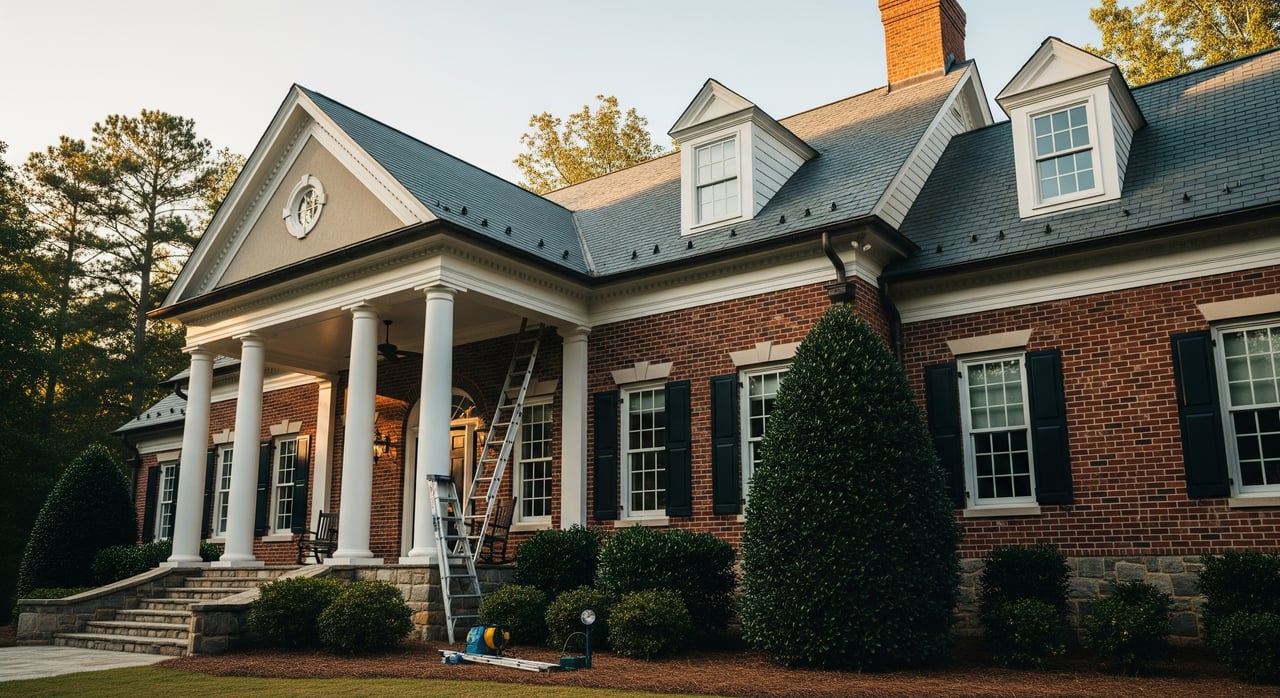
Aging shingles, flashing issues, or worn coverings are common findings. If a roof is near end of life, sellers may provide a credit or agree to replace. For structural concerns, a structural engineer’s report brings clarity and drives the scope of repair or a price adjustment.
Termite and wood-destroying insects
Evidence of past or active activity is not unusual. Treatment and damage repair are common negotiation items. Some lenders require a clear termite report.
Major system condition
HVAC units, water heaters, and electrical panels are common focus areas. If a system is failing or unsafe, sellers often repair or replace. When costs are high, credits are often used instead of complex pre-closing replacements.
Plumbing and drainage
Active leaks or drainage issues often lead to repair requests. If there is suspected sewer line damage, a camera scope can define the fix. Buyers often prioritize these items since they affect habitability and costs.
Septic and well findings
If a septic system fails evaluation or a well test fails, repairs or replacements are often required before closing. These are major negotiation items and can be termination points under the contract.
How to prioritize repairs vs credits
- Lead with safety and function. Highlight electrical hazards, gas leaks, active leaks, and major system failures. Lenders often require these fixes.
- Separate cosmetic from critical. Cosmetic items are rarely top priorities for sellers.
- Use documentation. Reference the report line items and attach estimates from licensed contractors. Clear evidence supports reasonable asks.
- Consider credits for big, complex jobs. Roofs, HVAC replacement, or structural repairs may be better handled with credits or price adjustments so you can choose your contractor post-closing.
- Be mindful of market conditions. In a tight seller’s market, focus on essential items. In a more balanced market, you may secure a wider set of repairs.
New construction: inspections and warranties
Even new homes benefit from third-party inspections. Builders have their own municipal inspections, but an independent set of eyes protects your interests.
- Pre-drywall inspection. Before insulation and drywall, your inspector evaluates framing, plumbing and electrical rough-ins, and insulation placement.
- Final inspection and punch list. Prior to closing, document incomplete or deficient items and request a written schedule for completion.
- 11-month or one-year warranty walk-through. Many builders offer limited warranties such as one year for workmanship, two years for systems, and longer for structural items. Log issues as you live in the home and submit them before the deadline.
Tips for new builds:
- Hire your own inspector for both pre-drywall and final.
- Attend inspections, take photos, and keep a written punch list.
- Save all warranty documents, permits, and certificates of occupancy.
Budgeting and planning your inspection phase
- Plan your spend. A general inspection is often 300 to 600 dollars. Budget for a few specialty tests. Your total may range from a few hundred to over a thousand dollars depending on home age and systems.
- Ask early about utilities. Confirm whether the home is on municipal water and sewer or on a well and septic. Order septic and well testing immediately if needed.
- Attend the inspection. Walk the property with your inspector. Ask about urgency, life expectancy of systems, and ballpark costs.
- Move fast on add-ons. Radon, termite, septic, well, or sewer scopes can take extra time to schedule.
- Put it in writing. Submit a clear repair or credit request before your due diligence deadline.
- Verify the work. Ask for receipts, permits, and a re-inspection if needed. Confirm completion during your final walk-through.
Local steps and resources to consider
- Confirm permit requirements. Depending on the property and scope, Forsyth County or the Town of Lewisville may handle permits and final inspections.
- Use licensed specialists. For structural, roof, HVAC, septic, or well concerns, a licensed professional’s report adds clarity and leverage.
- Keep your paperwork. Save inspection reports, receipts, and warranty documents for future claims and resale.
Buying a home in Lewisville should feel confident and informed, not rushed. With a clear plan, the right inspections, and strong documentation, you can protect your investment and negotiate from a position of strength. If you want local guidance through each step, connect with Zach Dawson to schedule a consultation and build your inspection strategy with a trusted advocate.
FAQs
How long is the inspection or due diligence period in North Carolina?
- It is set by your contract. Many buyers have 5 to 14 days, but you must check your agreement to confirm your exact deadline.
Which inspections should I order for an older Lewisville home?
- Start with a general home inspection, then consider termite, radon, sewer scope, chimney, and specialist evaluations as indicated. Add septic and well tests if the home is not on public utilities.
Who typically pays for repairs after a home inspection in NC?
- Buyers request repairs or credits, and sellers may agree, decline, or counter. Lenders may require certain safety or system repairs for loan approval.
Can I cancel my purchase if the inspection finds major problems?
- If you are still within the due diligence period and your contract permits termination, you can usually cancel under those terms. Outside that window, remedies depend on the contract.
Should I hire an inspector for new construction in Lewisville?
- Yes. Independent inspections at pre-drywall, final, and the 11-month warranty mark help document issues and protect your coverage under builder warranties.