Wondering whether Greensboro feels more like a downtown loft city, a classic tree-lined neighborhood city, or a place for newer homes with flexible layouts? The answer is yes to all three. If you are trying to match your lifestyle to the right part of the market, understanding Greensboro’s neighborhood styles can save you time and help you focus on homes that truly fit how you want to live. Let’s dive in.
Greensboro Offers More Than One Housing Style
Greensboro has a broad housing mix rather than one defining look. Census QuickFacts reports 307,381 residents in 2024, 139,194 total housing units, an owner-occupied housing unit rate of 50.5%, a median owner value of $244,800, a median gross rent of $1,172, and a mean commute time of 21.7 minutes. In practical terms, that points to a market where you can find ownership-focused neighborhoods, rental-friendly areas, and a range of home types across the city.
That variety matters if you are choosing between convenience, yard space, architectural character, or lower exterior upkeep. Greensboro also continues to add housing supply through local planning efforts. The city’s Housing GSO plan and Road to 10,000 initiative are aimed at expanding housing options, with a goal of adding 10,000 new housing units by 2030.
Downtown Loft Living in Greensboro
If you want a more urban daily routine, downtown Greensboro is the clearest place to start. Downtown Greensboro Inc. describes downtown living as a mix of modern apartments, historic lofts, and walkable access to dining, shopping, parks, and entertainment. That combination creates a different feel from Greensboro’s older, more residential neighborhoods.
Downtown housing is also more varied than many buyers expect. Residential options listed by Downtown Greensboro Inc. include Carroll at Bellemeade, Cityview Apartments, Greenway at Stadium Park, Southeastern Building Apartments, and Spring Street Apartments. That mix shows that downtown living is not limited to one property type or one building style.
Who Downtown Living Fits Best
Downtown loft and apartment-style living can make sense if you want a smaller footprint and easy access to local amenities. You may prefer this style if you value being able to step out for dinner, events, or greenway time without planning your whole day around driving. It can also appeal if yard maintenance is low on your priority list.
This style is often less about a single architectural label and more about the rhythm of daily life. You are trading some lot size and separation for convenience, location, and a more connected urban feel. For some buyers, that is exactly the point.
Questions to Ask About Loft-Style Homes
Before focusing on downtown options, think about the details that shape everyday comfort:
- How important is dedicated parking?
- Do you want private outdoor space, or is nearby access to parks enough?
- Would you rather have walkability than a larger yard?
- Are you comfortable with a smaller floor plan if the location is stronger?
Those questions can help you quickly decide whether loft-style living matches your priorities.
Traditional Neighborhoods With Established Character
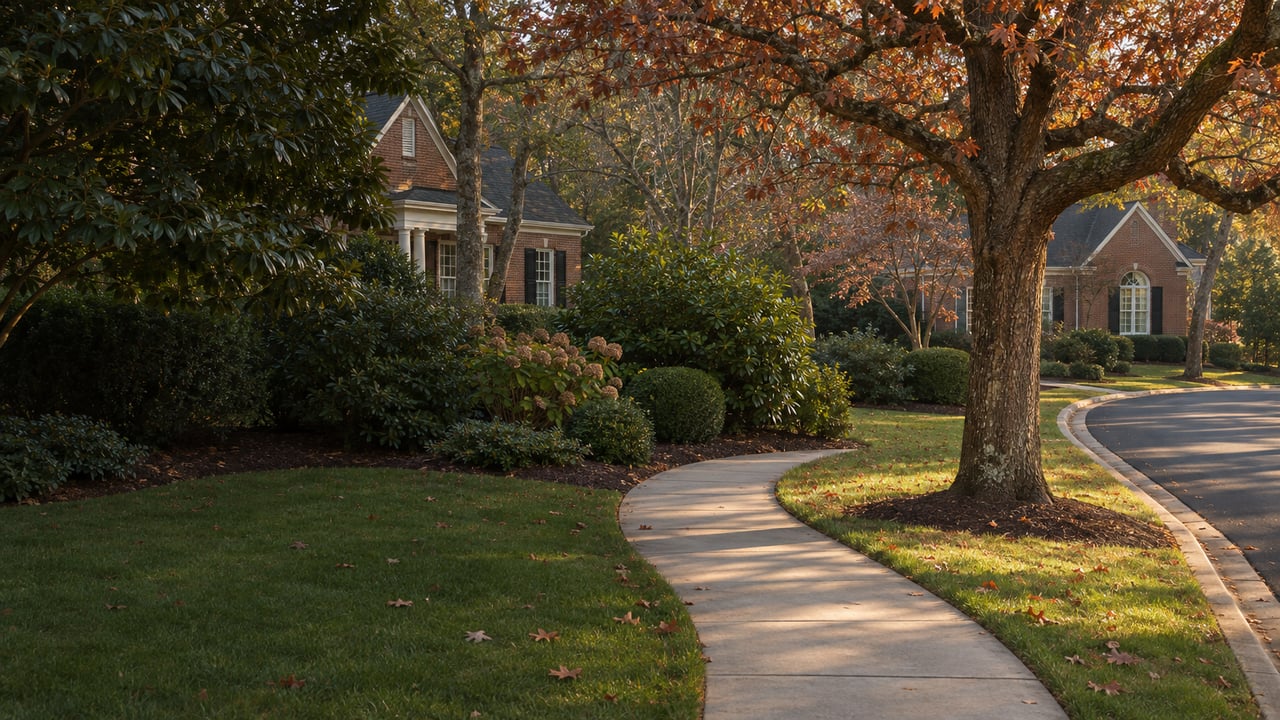
If downtown feels a little too compact or fast-moving, Greensboro also offers neighborhoods defined by older architecture, mature trees, and established street patterns. These areas often appeal to buyers who want more visual character, a stronger sense of neighborhood continuity, or homes with details that are harder to replicate in newer construction.
In Greensboro, the traditional category includes several well-known historic and early suburban neighborhoods. The city’s planning and preservation materials point to College Hill, Lindley Park, Dunleath, Sunset Hills, and Fisher Park as important examples when talking about older neighborhood character and architectural variety.
College Hill
College Hill is one of Greensboro’s earliest neighborhoods. The city describes it as pedestrian-oriented, with late Victorian architecture, early homes and apartment buildings, churches, stores, and walkability to downtown and Tate Street. If you want older architecture with a close-in location, College Hill stands out.
Lindley Park
Lindley Park developed in 1917 around a public park. According to the city, it remains mostly owner-occupied and is known for canopy tree-lined streets, green spaces, pedestrian-friendly design, and a broad mix of architectural styles. For buyers who want a more established residential setting without feeling far removed from city activity, this is a useful reference point.
Dunleath
Dunleath sits less than a mile northeast of downtown and offers another strong example of historic Greensboro. The city notes that it has both National Register and locally zoned historic district status, and that its late 19th- and early 20th-century development shows up in a range of residential architecture. If you are drawn to homes with visible history, Dunleath deserves a close look.
Sunset Hills and Fisher Park
Sunset Hills expands the traditional category beyond strictly historic-district expectations. The city identifies it as one of Greensboro’s first examples of early suburban development and highlights Colonial Revival, Tudor Revival, Craftsman Bungalow, Minimal Traditional, and Ranch styles. Fisher Park also belongs in the conversation because it is one of Greensboro’s locally designated historic districts.
Historic Districts Change the Buying Experience
If you are considering an older home, it is important to know whether the property sits inside a local historic district. Greensboro currently has three locally designated historic districts: College Hill, Dunleath, and Fisher Park. The city’s preservation program exists to protect architecturally significant buildings and neighborhood setting.
That can be a positive if you value long-term preservation and neighborhood continuity. It can also mean a different ownership experience, especially when you want to change exterior features or site elements.
What Historic District Rules Mean
In Greensboro’s local historic districts, exterior and site work requires a Certificate of Appropriateness. City staff can approve only minor projects such as porch repair, fence or deck work, dead-tree removal, or satellite dish placement. The city updated its historic district standards in 2025, with clearer review rules and more emphasis on tree canopy.
For you as a buyer, the takeaway is simple: charm and architectural integrity can come with extra review steps. If you love the idea of an older home but want maximum flexibility for exterior changes, it is worth understanding those rules before you make an offer.
Neighborhood Conservation Overlays Matter Too
Not every area with design guidance is a historic district. Greensboro also uses Neighborhood Conservation Overlays, or NCOs, to protect the broad characteristics of a neighborhood and guide compatible infill. City staff reviews exterior work plans to help ensure new development and changes align with adopted standards.
This matters because a home outside a historic district can still come with neighborhood-specific design expectations. If you are comparing homes in older areas, ask whether an NCO applies. That one detail can shape what is easy, what needs review, and how future nearby development may look.
Newer Construction and Infill Options
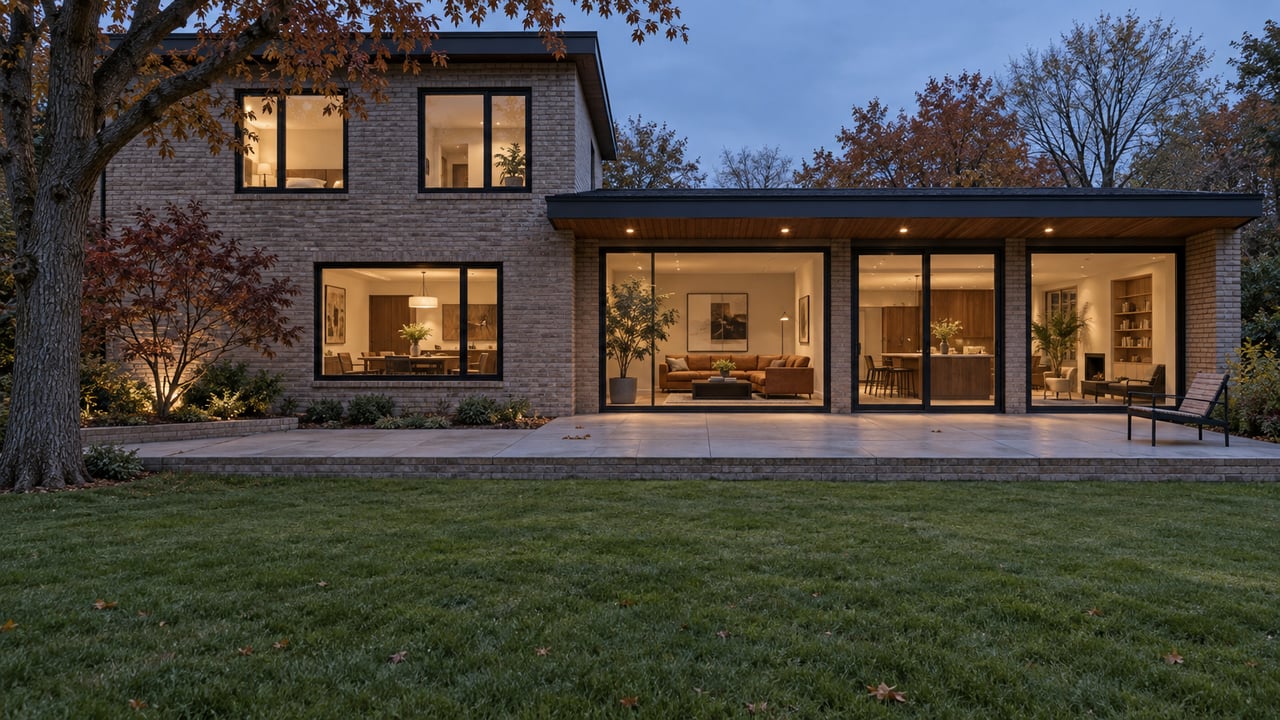
If your priorities lean toward modern layouts, lower maintenance, or newer systems, Greensboro offers more than traditional neighborhoods. The city’s Residential Plan Review covers new single-family homes, duplexes, townhomes, additions, and accessory structures. That points to a market where newer housing is not limited to one format.
Greensboro’s RISE Infill program also supports redevelopment of underutilized buildings, renovation of aging commercial space, commercial infill, and mixed-use commercial and residential projects in reinvestment areas and corridors. In real terms, that means the newer side of the market can include both subdivision-style homes and infill or mixed-use opportunities closer to established parts of the city.
Why Buyers Choose Newer Homes
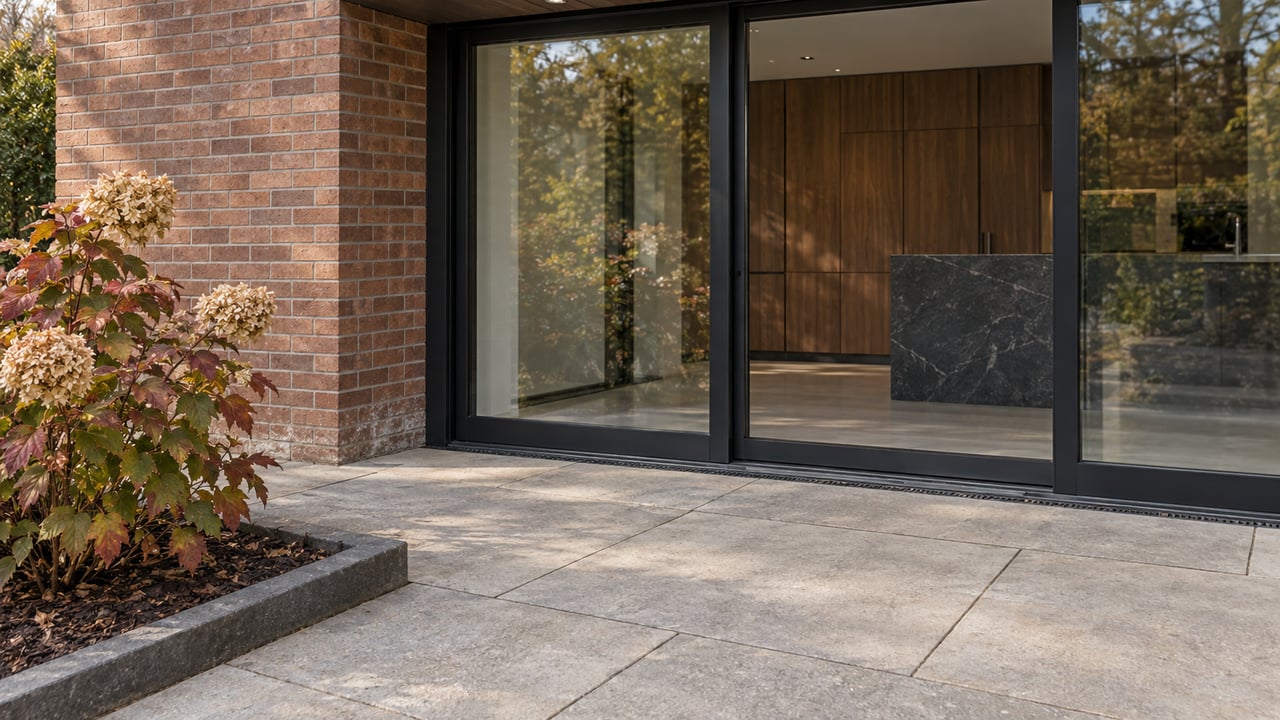
Newer homes often attract buyers who want a more turnkey feel. You may prefer newer construction if you want a simpler maintenance picture, a floor plan that feels more current, or less concern about preserving original materials. For some buyers, that predictability is a major advantage.
At the same time, newer homes can feel very different depending on where they are built. Some are part of broader development patterns, while others are infill projects designed to fit into existing neighborhoods. That is why location, streetscape, and neighborhood rules still matter even when the home itself is brand new.
How To Match Style to Your Lifestyle
Choosing between loft, traditional, and newer Greensboro homes usually comes down to a few practical tradeoffs. You do not need to know every architectural term. You just need a clear sense of how you want your day-to-day life to work.
Here are a few smart ways to narrow your search:
- Choose downtown or loft-style living if walkability, convenience, and a smaller footprint matter more than yard size.
- Choose traditional neighborhoods if you value mature trees, older architecture, and established street patterns.
- Choose newer construction or infill if you want updated systems, more contemporary layouts, or a lower-maintenance feel.
- Check for historic district status if you are looking at older homes and care about renovation flexibility.
- Ask about Neighborhood Conservation Overlays if neighborhood compatibility rules may affect your plans.
- Think through parking, yard size, and exterior changes before you fall in love with a home’s style.
The right choice is rarely about what looks best in photos alone. It is about how the property supports your routines, priorities, and comfort level with upkeep or design rules.
Why This Matters in Greensboro Right Now
Greensboro is not standing still. In 2025, the city reported 3,313 residential building permits in the prior year and amended Planned Unit Development rules to give developers more flexibility on lot layout, structure type, and parking and street design. Those changes support a wider range of housing forms and may continue to expand your options over time.
For buyers and sellers alike, that makes local guidance more valuable. In a city with downtown apartments, historic districts, early suburban neighborhoods, and newer infill, the details of each area matter. A polished search starts with understanding not just price and square footage, but also the lifestyle and property rules that come with each style.
If you are weighing Greensboro neighborhoods and want help narrowing the options, Zach Dawson offers clear, high-touch guidance across the Triad to help you find a home style that fits your goals with confidence.
FAQs
What areas in Greensboro feel most urban?
- Downtown Greensboro is the clearest example of a more urban living style, with modern apartments, historic lofts, and walkable access to dining, shopping, parks, and entertainment.
What neighborhoods in Greensboro feel more traditional?
- College Hill, Lindley Park, Dunleath, Sunset Hills, and Fisher Park are key examples of Greensboro neighborhoods known for older homes, mature trees, and established street patterns.
What home style in Greensboro is usually the most maintenance-light?
- Loft, apartment-style, and many newer-construction homes often appeal to buyers seeking a lower-maintenance lifestyle, especially compared with older homes that may involve more exterior upkeep.
What does historic district status mean for a Greensboro homebuyer?
- In Greensboro’s local historic districts, exterior and site work requires a Certificate of Appropriateness, so buyers should expect added review for certain changes.
What is a Neighborhood Conservation Overlay in Greensboro?
- A Neighborhood Conservation Overlay is a city tool used to protect the broad characteristics of a neighborhood and guide compatible infill and exterior changes.
Are there newer-construction options in Greensboro besides subdivisions?
- Yes. Greensboro’s housing mix includes newer single-family homes, duplexes, townhomes, and infill or mixed-use development supported through city review and redevelopment programs.